What Is a Dollar Revaluation? A Plain-English Guide
Understanding what happens when gold is repriced and how it affects your purchasing power.
The Basics
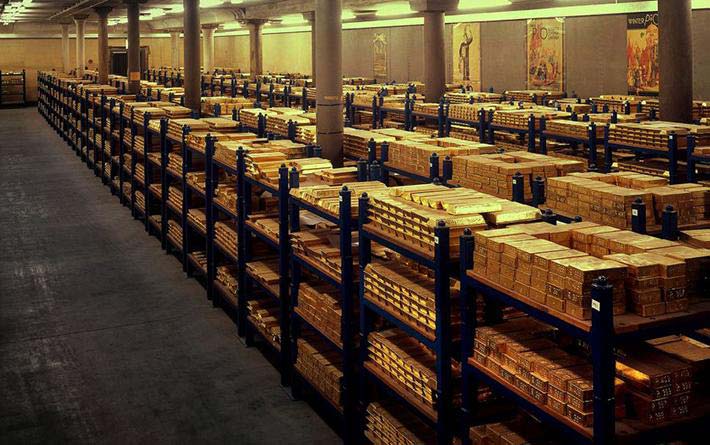
A dollar revaluation (or more accurately, a gold revaluation) occurs when the official price of gold is adjusted upward relative to the dollar. This does not make gold more valuable in real terms — it reveals how much purchasing power the dollar has lost.
Historical Example: 1934
In 1934, President Roosevelt raised the official gold price from $20.67 to $35 per ounce overnight. Americans who held dollars experienced an estimated 41% reduction in purchasing power relative to gold, based on the price change from $20.67 to $35.
Why It Matters Today
With the US national debt exceeding $38 trillion and central banks worldwide accumulating gold at record rates, some analysts have suggested that historical patterns could rhyme, and that a future revaluation scenario is worth studying.
Key Indicators We Track
- US Debt-to-GDP Ratio: Currently over 120%
- Central Bank Gold Purchases: Record highs in 2023-2024
- BRICS Currency Developments: Gold-backed alternatives emerging
- Dollar Index Movements: Long-term trend analysis
This website is actively being enriched with more market intel and real-time data. Check back regularly for updates.
⚠️ Important Disclaimer
The content on Dollar Revaluation Tracker, including this article, is provided for educational and informational purposes only and does not constitute financial, investment, legal, or tax advice. The authors and contributors to this site are not licensed or registered financial advisors, investment advisors, broker-dealers, or tax professionals, and nothing published here should be construed as a personalized recommendation to buy, sell, or hold any asset.
Historical events, data, and policy actions cited in our analysis are presented for context and do not guarantee or predict future outcomes — past conditions may not repeat, and all financial decisions carry risk.
Dollar Revaluation Tracker may earn affiliate commissions from BullionStar, a gold dealer, when you click certain links and make a purchase; this relationship does not influence our editorial analysis, but you should be aware of it when evaluating our content.
You should consult a qualified, licensed professional before making any financial decisions based on information found on this website. For full details on our affiliate relationships, data methodology, and other disclosures, please see our Disclosure page.